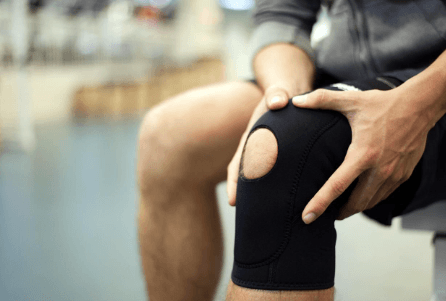
When we think of knee injuries, we usually imagine athletes on a field or laborers lifting heavy boxes. However, a significant number of people suffering from joint discomfort spend their days in a swivel chair. It might seem strange that an activity as low-impact as sitting could cause trouble, but the reality is that the modern desk job is surprisingly hard on our joints. If you have ever felt a sharp ache when getting up from your chair, you may have wondered: do office workers need knee support? The ultimate answer is often yes, but understanding why is the first step toward finding relief.
A knee cap or sleeve can totally be a simple, effective tool to manage the physical toll of a sedentary lifestyle. This guide explores the causes of office-related joint issues and how to use support effectively in a professional environment.
Does Sitting Cause Knee Pain?
It totally seems counterintuitive, but the answer to whether sitting causes knee pain is a definite yes. When you sit for prolonged periods, especially with your knees bent at a ninety-degree angle or tucked under your chair, you are placing constant pressure on the patellofemoral joint. This is the area where your knee cap for men and women meets your thigh bone.
There are several factors at play here. First, sitting for hours leads to a lack of movement, which reduces the circulation of synovial fluid. This fluid is the natural lubricant for your joints. Without it, the joint becomes dry and stiff. Second, sitting causes certain muscles, like the hamstrings and hip flexors, to become extremely tight, while the glutes and quadriceps become weak. This muscular imbalance pulls on the knee joint, leading to knee pain from sitting too long.
Identifying the Symptoms
The most common complaint from desk workers is a feeling of restricted movement. If you find yourself asking why do my knees feel stiff after sitting, it is usually due to the fluid stagnation mentioned above. Your joints are like hinges that need regular swinging to stay smooth. When they stay in one position for hours, the tissues around them tighten up.
This often leads to knee pain when standing after sitting. That initial moment of rising from your chair puts a sudden load on a joint that is not prepared for it. For many, this results in a dull ache or a popping sound as the joint tries to realign itself. Over months and years, this knee discomfort after long sitting hours can totally evolve into chronic inflammation if not addressed.
Knee Support for Desk Job Workers
Fortunately, there are ways to combat these issues. Using knee support for desk job workers can provide several benefits. A light compression sleeve helps maintain a steady temperature around the joint, which keeps the blood flowing and the tissues flexible. It also provides a gentle reminder to the brain to keep the leg in a better position.
When looking for the best knee support for office workers, you should avoid heavy, rigid braces unless you have a specific injury. Instead, look for a soft, breathable 3D knit sleeve. These are discreet enough to wear under formal trousers or skirts and provide enough compression to reduce swelling without being bulky or uncomfortable during a long shift.
How Tight Should Knee Support Be at Desk?
Since your goal is long-term comfort rather than athletic stability, the fit of your support is crucial. So, how tight should knee support be at the desk? It should be snug but never restrictive. Because you are sitting, your blood flow is already slightly slower than when you are walking. If the sleeve is too tight, it will dig into your skin and could actually increase swelling in your lower legs.
You should be able to slide two fingers under the top band easily. If you see deep red marks on your skin at the end of the day, it is too tight. The goal is gentle compression that feels like a supportive hug, not a tight grip.
How to Prevent Knee Pain While Sitting?
While a sleeve is a great tool, it is only part of the solution. To truly understand how to prevent knee pain while sitting, you must look at your entire workstation.
- Adjust Your Chair Height: Your hips should be slightly higher than your knees, and your feet should be flat on the floor.
- Use a Footrest: This takes the pressure off the back of your thighs and helps maintain a natural curve in your legs.
- The 30-Minute Rule: Set a timer to stand up and stretch every half hour. Even thirty seconds of movement can refresh the joint fluid.
These habits, combined with knee pain relief for desk workers, create a comprehensive approach to joint health.
See also: How Technology Is Making Life Easier
How to Use Knee Support Correctly at Work?
To get the most out of your gear, you totally need to know how to use knee support quite correctly at work.
- Direct Skin Contact: For the best results, just wear the sleeve directly on your skin under your clothes.
- Keep it Dry: If the office is warm and you sweat, the moisture can cause skin irritation. Ensure you wash the sleeve regularly.
- Check the Position: During extended wear, the pain management sleeve for both men and women may experience slight positional movement. Just make sure the center of the sleeve always remains over your kneecap.
By following these steps, you can significantly reduce knee stiffness at the office as well as keep your focus on your tasks rather than your pain.
Conclusion
Don’t let a desk job decide the health of your joints. By incorporating a high-quality knee brace into your daily routine, you can totally provide the support your body needs to endure long hours of sitting. Combine this with regular movement and a properly adjusted chair to create a pain-free work environment.
Remember, the ultimate goal of knee support is to totally help you move better, even if that movement is just standing up to go to a meeting. Address the stiffness early, use your support correctly, and your knees will thank you for years to come.