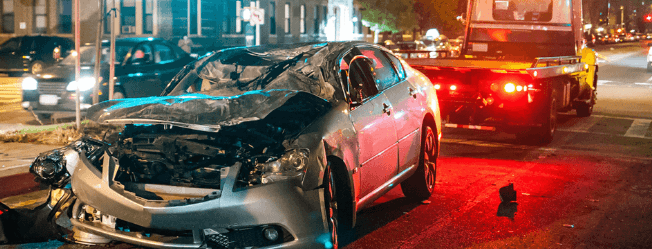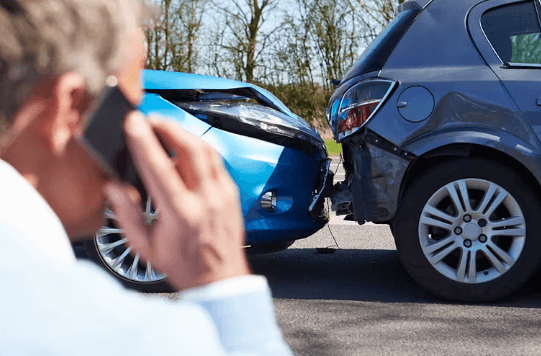
Florida’s busy highways, dense urban traffic, and constant flow of visitors make vehicle accidents an unfortunate reality across the state. When collisions occur, determining exactly what happened is rarely simple, especially when accounts conflict or key details are unclear. In these situations, establishing fault becomes a critical step for anyone seeking compensation or defending their rights. This is where a deeper, more scientific approach can make a meaningful difference. By examining physical evidence and applying analytical methods, accident reconstruction can help clarify how an incident unfolded and who may be responsible.
For individuals navigating Florida’s legal system, this process often becomes a powerful tool for strengthening a claim or resolving a dispute. Still, understanding how and when to rely on such evidence requires experienced legal insight. With support from lawyers from Blakeley Law, victims can better leverage these findings to build a clearer, more compelling case grounded in facts.
What Is Accident Reconstruction?
Accident reconstruction is a thorough analysis of the circumstances surrounding an incident. Forensic experts investigate physical evidence left at the crime scene using scientific methods. They take into account positions of vehicles, road marks, and debris. This information helps piece together the events that led to the collision. Sophisticated devices and simulations also help accurately project the findings.
Collecting Evidence at the Scene
It is important to collect evidence if the prosecution is confident in its analysis. For example, investigators normally take photos of the scene from multiple angles. They also document measurements, like the length of skid marks and the distance between the vehicles. Information concerning the weather and road conditions, as these may affect the result. Every single one of those details helps to create a full picture.
Analyzing Vehicle Damage
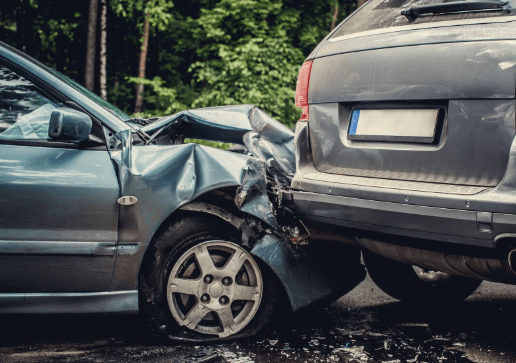
Clues may be found in the way cars are damaged. By examining dings, scratches, and broken components, experts can identify the impact points. This analysis can determine which automobile hit the other and the approach of impact. The speeds involved in the collision often correlate with the extent of damage.
Using Technology for Clarity
Technological advancements have increased the precision of accident recreations. The incident is reconstructed in detail by computer simulations. These types of visual tools let juries, judges, and insurance professionals see exactly what happened. For example, records of a vehicle’s speed and braking behavior, as captured by vehicle recorders, are often highly influential. This way, all the expert conclusions are supported by the information.
Witness Statements
Witness statements are helpful, but memories are not always accurate. Accident reconstruction compares these statements with physical evidence. An account earns credibility when its data matches. Analysis helps clarify which statements are true when discrepancies appear. Combine science with human observation for a fuller understanding.
Establishing Responsibility
Often, the main objective of accident reconstruction is to prove fault. Using evidence, experts can determine which actions contributed to the crash. This includes traffic offenses or reckless driving. Such clarity in findings can help facilitate legal proceedings and insurance claims. Conclusions are drawn based on accuracy, which treats the individual fairly.
Supporting Legal Proceedings
Accident cases may require expert testimony, which the courts often rely on. They explain the technical conclusions in layman’s terms. Judges and juries look for a straightforward, factual account of the events, so their reports and presentations are powerful tools for shaping the outcome. Even insurance companies rely on these insights to process claims promptly. Disputes are resolved faster with reliable information.
Benefits for Everyone Involved
A proper accident reconstruction benefits all parties involved. Assistance is provided to help victims prove their case. Drivers accused of creating an incident can defend their actions with facts. Insurers can base their decisions on actual, proven facts. It helps ensure fairness and accuracy in the process, decreasing the likelihood of someone being wrongly charged with fault.
Limitations and Considerations
Although accident reconstruction helps explain the accident, it is not perfect. The results may be affected due to missing evidence or tampered scenes. Access to available data is limited; hence, incomplete information can compromise experts’ accuracy. However, an exhaustive investigation tends to yield truthful results. When evidence was preserved, it was more likely that the correct parties responsible would be identified.
See also: How Technology Is Reducing Global Barriers
Conclusion
It is crucial to use accident reconstruction to determine how an event occurred. Analytical assessments of evidence help experts explain what happened in the moments before a crash. Such procedures help ensure the rule of law and facilitate the settlement of insurance claims. In cases where responsibility needs to be determined, accident reconstruction provides an objective, scientific basis for establishing it.