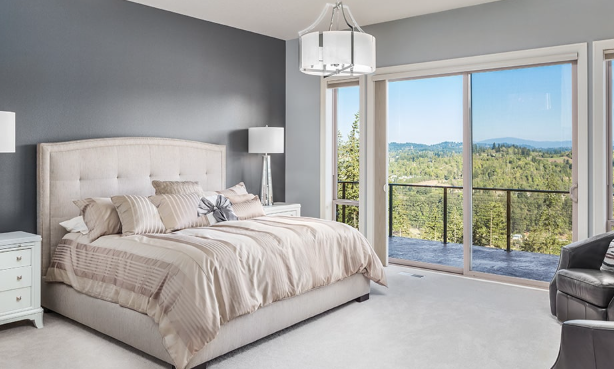
Couples seeking a refreshed sleep space must balance individuality with harmony. The approach centers on clear zoning, discreet dividers, and cohesive palettes that feel intentional rather than forced. Two sleep zones can coexist with shared storage and flexible layouts that adapt to evolving needs. Layered lighting and tactile textures anchor comfort, while personal objects ground the room in meaning. The next steps reveal practical strategies that transform constraints into calm, inviting spaces.
How to Align Styles Without Losing Individuality
Finding common ground between partners’ design preferences begins with defining shared goals for the space. The alignment of design aesthetics should honor individual expression while creating cohesive harmony, guiding choices in storage organization and functional layout. Strategic color palettes and lighting layering reveal personality without clashes, ensuring every zone supports comfort, productivity, and rest. Balanced elements preserve freedom and maintain unity through deliberate, purposeful design.
Maximizing Comfort With Two Sleep Zones and Shared Spaces
Two distinct sleep zones can coexist within a shared bedroom by prioritizing clarity of use and psychological separation while preserving a cohesive overall look. The approach favors deliberate zoning, quiet boundaries, and flexible layouts that honor individuality yet sustain harmony. Two word ideas, two word ideas, appear as compact prompts: define zones, blend textures, and maintain adaptable, serene, freedom-oriented spaces.
Practical Spaces: Storage, Lighting, and Textures for Couple Living
Couple-centered spaces hinge on practical, well-timed choices for storage, lighting, and textures that streamline daily routines while preserving warmth.
The approach favors discreet storage solutions and modular units, enabling flexible organization without clutter.
Lighting options emphasize layered layers, dimmable and task-focused schemes.
Textures balance softness with durability, creating tactile depth that supports freedom, privacy, and harmonious shared living.
Personal Touches and Rituals That Strengthen Your Bedroom Retreat
A well-balanced bedroom plan naturally extends beyond furniture and lighting to the rituals and personal touches that mark shared space.
The design prioritizes intentional routines and meaningful objects, guiding partners toward harmony.
Personal touches anchor memory, while rituals that strengthen communication cultivate trust.
Subtle textures, synchronized routines, and deliberate symbolism transform the room into a resilient, flexible retreat that honors freedom and collaboration.
Frequently Asked Questions
How Do We Handle Different Wake Times and Sleep Schedules?
How to align wake times, Sleep schedule compromises: Partners coordinate adjustments with gradual shifts, respectful boundaries, and flexibility. They document preferred hours, negotiate nonverbal cues, and implement shared wind-down rituals to support individual rest needs while preserving harmony.
What Budget-Friendly Upgrades Feel Timeless for Couples?
Budget friendly timeless upgrades include layered lighting, soft romance colors, and sound privacy solutions; they accommodate evolving styles and sleep schedules, while preserving timeless appeal. The coincidence of calm textures with practical storage quietly supports freedom-loving couples.
See also: How Technology Is Making Life Easier
How Can Sound Privacy Be Improved Beyond Standard Options?
Sound privacy can be improved through targeted soundproofing tweaks and privacy focused layouts, minimizing shared-wall noise and visual exposure. The solution favors strategic materials, door seals, decoupling where possible, and thoughtfully relocated zones, supporting freedom while maintaining tasteful, quiet living dynamics.
Which Colors Evoke Romance Without Clashing With Personalities?
Romance flourishes with soft, balanced palettes; colors that avoid clash support harmony. Color psychology guides choices, favoring muted reds, blush pinks, deep blues, and warm neutrals. Color harmony ensures couple-friendly, freedom-loving interiors, thoughtfully coordinated and serene—like a synchronized duet.
How Do We Swap Styles if One Partner Changes Tastes?
He considers how to negotiate changing tastes by prioritizing dialogue, merging two styles, and swapping styles gracefully to preserve harmony. The strategy emphasizes compromise, budget-conscious updates, and flexible accents, enabling a space that respects freedom while maintaining cohesive aesthetics.
Conclusion
In the quiet harbor of a shared room, two beds become twin lighthouses, each guiding its sleeper toward rest without steering the other astray. The room, a patient steward, learns to bend—dividers become gentle cliffs, lights drift like tide-chatters, and storage sinks into the walls like harbor υπ. Personal artifacts anchor voyages, routines chart the currents, and evolving needs adjust the sails. Harmony, not sameness, anchors the voyage, as night after night, comfort and individuality dock in peaceful companionship.