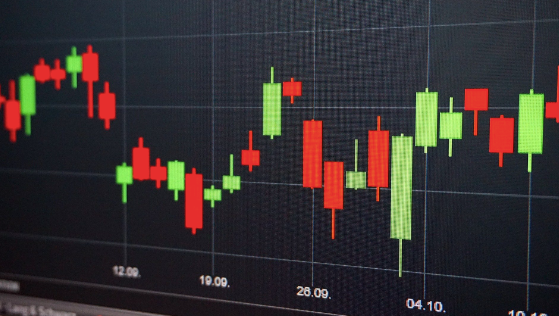
Crypto cycles hinge on price momentum, fundamentals, and liquidity, showing distinct patterns in bull and bear phases. A bullish period features broad-based gains, improving on-chain metrics, and rising participation, while a bear market exhibits persistent declines, deteriorating fundamentals, and waning engagement. Behavioral shifts—from risk-taking to risk management—often accompany macro headwinds and intermittent rallies. The implications for investors are nuanced, demanding disciplined risk controls; the next moves may hinge on evolving data and external shocks, leaving uncertainty to inform the approach.
What Defines a Crypto Bull Market?
A crypto bull market is typically defined by a sustained rise in widespread asset prices and positive investor sentiment, rather than a single price spike. Data shows broad participation across assets, improving liquidity, and durable capital inflows.
Bull market psychology influences risk posture, while meme coin momentum reflects crowd-driven trends. Fundamentals remain essential for sustaining growth amid evolving market dynamics.
What Signals a Crypto Bear Market?
Bear markets in crypto are signaled when sustained downside momentum pairs with deteriorating fundamentals and waning participant engagement.
The Bear Market unfolds as price momentum weakens, volatility persists, and investor confidence erodes, even as external signals decline.
Signal Declines in on-chain activity often accompany macro headwinds, yet occasional Spark Rebound rumors must be weighed against persistent Bear Market dynamics and structural risks.
How to Trade and Invest Across Phases
Investors can navigate crypto cycles by aligning risk, return, and time horizons with prevailing market phases. Across crypto cycles, prudent allocation hinges on disciplined position sizing, diversified exposure, and clear exit criteria.
During acceleration, emphasize selective bets and liquidity; in downturns, prioritize capital preservation and risk controls.
Investor psychology matters: avoid overtrading, honor data, and maintain a patient, evidence-based approach to opportunities.
Real-World Implications and Risk Management in Both Markets
Real-world implications differ markedly between bull and bear phases, demanding distinct risk controls, decision frameworks, and performance expectations.
In bull markets, capitalizes on momentum while monitoring overexposure; in bear markets, emphasis shifts to capital preservation and hedging.
Market psychology shapes behavior, and Regulatory impact influences liquidity, disclosure, and risk limits.
Fundamentally, disciplined, data-driven risk management underpins resilience across cycles.
Frequently Asked Questions
How Do Macroeconomics Influence Crypto Market Cycles?
Macroeconomic indicators influence crypto cycles by shaping risk appetite and liquidity, where rate changes, inflation, and macro trends alter capital flows; supply demand dynamics in tokens respond to perceived utility, scarcity, and institutional adoption, guiding cautious, data-driven market assessments.
Can Regulatory Changes Trigger Rapid Market Reversals?
Like a stern conductor, regulatory shifts can induce rapid reversals, though the effect is uncertain and data-driven. The analysis shows cautious alignment toward fundamentals, with regulators shaping expectations and market liquidity, signaling potential rapid reversals under evolving policy landscapes.
See also: How Technology Is Reducing Global Barriers
What Role Do Institutional Investors Play in Cycles?
Institutional investors influence cycles through institutional dynamics and liquidity cycling, shaping demand and volatility. They tend to stabilize prices during flux, yet can amplify shifts via capital allocation decisions, risk controls, and timing, underscoring cautious, data-driven participation.
Which On-Chain Metrics Best Predict Turning Points?
The metric showing a sudden spike in whale accumulation precedes cautionary pivots, suggesting turning points may align with bearish crossovers; data remains uncertain, demanding disciplined interpretation by an audience that values freedom and fundamental analysis.
How Should Newbies Position Themselves During Transitions?
During transitions, newbies should prioritize risk management and diversification, avoiding overleverage; in bear market phases reduce exposure while preserving capital, whereas in a bull cycle, gradually scale into positions with defined stop losses and clear theses.
Conclusion
In sum, crypto markets cycle through pronounced upswings and measured downturns, each framed by evolving fundamentals and participant sentiment. A bull phase is marked by broad participation and improving liquidity, while a bear phase emphasizes risk controls and caution amid waning momentum. Investors should anchor decisions in data, risk-adjusted expectations, and diversified exposure. As cycles turn, prudent rebalancing and disciplined valuation review help maintain resilience, allowing capital to weather fluctuations with tempered optimism and measured risk acceptance.